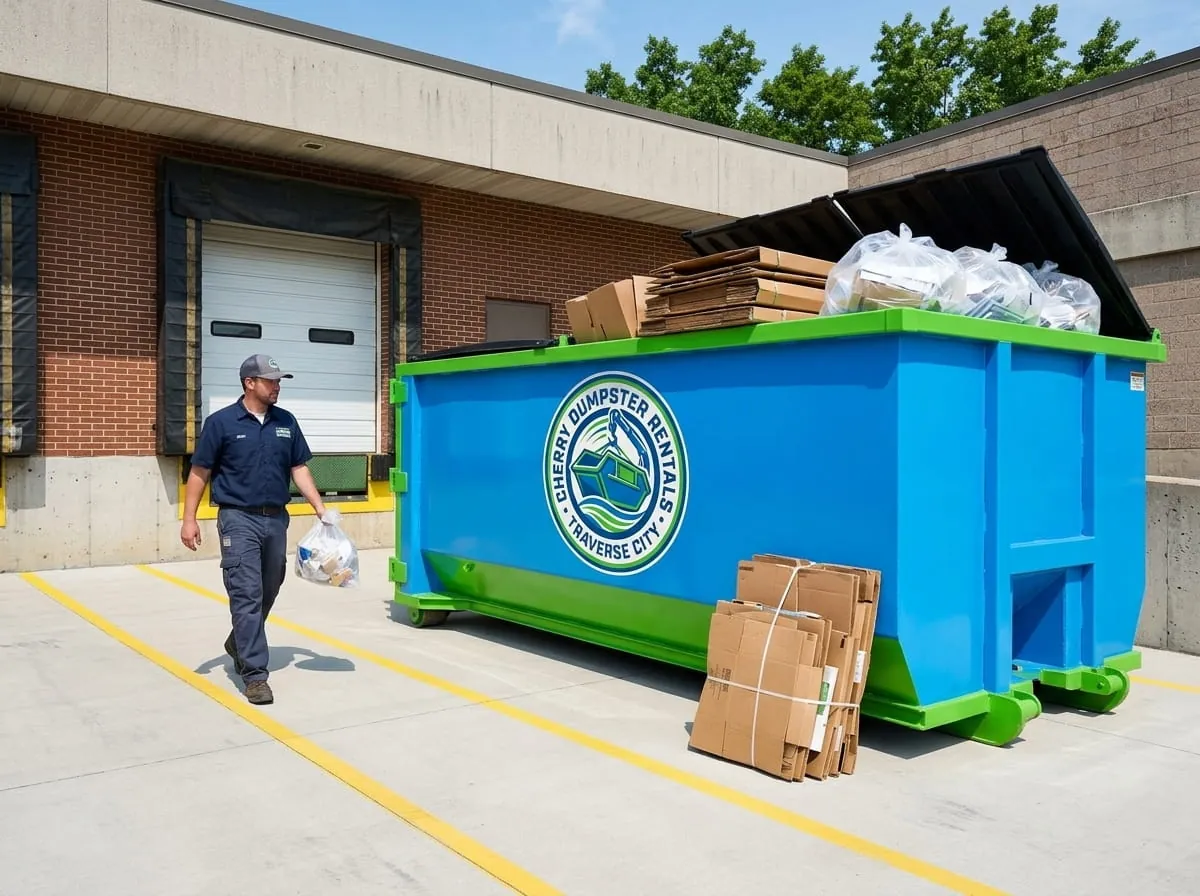
A whole-house cleanout can feel like standing at the base of the Sleeping Bear Dunes and being told to walk to the top. The trick, as any Traverse City local will tell you, is to stop staring at the summit and take it one switchback at a time. This room-by-room checklist turns a daunting project into a sequence of small, winnable battles. Whether you are clearing out a family cottage on Old Mission Peninsula, resetting a short-term rental between guests, or getting a lake home ready to list, working methodically through the house keeps the momentum going and keeps the stress down.
Before You Start: Set Yourself Up to Win
Every good cleanout starts before you touch a single box. Give yourself a fighting chance with a little preparation, and the actual work goes faster than you expect.
- Block out real time. A single room might take an afternoon; a full up-north cottage packed with decades of gear can take a long weekend or more. Be honest about the scale so you do not burn out on day one.
- Gather supplies. Contractor-grade trash bags, cardboard boxes, a permanent marker, painter's tape, and work gloves. Keep a first-aid kit handy for the inevitable garage splinter.
- Create four zones. Keep, Donate, Sell, and Toss. Use tape and signs so nobody has to guess where a lamp goes. A fifth "undecided" corner is fine, but keep it small and revisit it at the end.
- Order your dumpster early. Rolling a rented container into the driveway on the first morning is the single best motivator there is. When the bin is sitting there, you fill it. For most full-house cleanouts in the Traverse City area, having the right size on-site from the start saves you from making trips to the transfer station in your good car.
Not sure how big a container you need? Our dumpster size guide walks through it, and we cover the specifics for cleanouts further down this page.
The Kitchen: Start Where Decisions Are Easy
Kitchens are a smart first room because most of what you find is genuinely easy to sort. Food is either good or it is not. Gadgets are either used or forgotten in the back of a drawer.
- Pantry and fridge first. Toss anything expired. Unopened, in-date non-perishables can go to a local food pantry. This alone clears surprising space.
- The gadget drawer. If you have not used the avocado slicer, the bread maker, or the fondue set in a year, it goes to Donate. Goodwill and Habitat for Humanity ReStore in the Traverse City area both take working small appliances and cookware.
- Duplicate cookware. Nobody needs three colanders. Keep the best, donate the rest.
- Broken or worn items. Chipped mugs, scratched nonstick pans, and cracked storage containers go straight in the bin. These do not belong at a donation center.
Wipe down the empty cabinets as you go. A clean kitchen at the end of day one sets the tone for the whole project.
Living Room: Sentiment Slows You Down
The living room is where the pace can stall, because this is where the photo albums, the books, and the "we might read that again" magazines live. Keep moving with a few rules.
- Media and books. Keep the ones you truly love. Donate the rest to the library book sale or a thrift store. DVDs and CDs you have not touched in years can go.
- Decor and knickknacks. If it is not displayed and not meaningful, it is clutter. Donate or toss.
- Old electronics. That tube TV in the corner and the tangle of chargers for phones you no longer own should go to an e-waste drop-off, not the dumpster.
- Furniture. Sagging couches and wobbly end tables are candidates for the bin. Solid pieces in good shape can be sold or donated, and Habitat ReStore will often take furniture that is still usable.
Bedrooms: Closets Are the Real Job
Bedrooms look simple until you open the closet. Give clothing the same honest treatment you gave the kitchen gadgets.
- The one-year rule. If you have not worn it in a year and it is not seasonal, donate it. Salvation Army and Goodwill both take clothing in good condition.
- Damaged textiles. Stained, torn, or heavily worn clothing is not donation material. Some textile recyclers accept it; otherwise it goes in the bin.
- Under the bed. The graveyard of forgotten storage bins. Empty every one and sort the contents.
- Mattresses. Old mattresses are bulky and awkward. A rented dumpster handles them easily, which is far simpler than trying to strap one to the roof of a car.
Bathrooms: Fast and Satisfying
Bathrooms are the quick win you will be grateful for after the closets. There is not much here that requires soul-searching.
- Toss all expired products. Medications, sunscreen, and makeup all have expiration dates. Old prescriptions should go to a pharmacy take-back, not the trash.
- Half-used toiletries. Be realistic. If you did not like the shampoo the first time, you will not use the rest of the bottle.
- Towels and linens. Worn towels are perfect donations for animal shelters. The Cherryland Humane Society and similar groups often welcome them.
The Garage and Pole Barn: The Up-North Challenge
Here is where Traverse City cleanouts get real. Garages and pole barns around here hold decades of accumulated gear: fishing tackle, snowmobile parts, half-empty paint cans, three generations of hand tools, and the boat trailer nobody remembers buying. This is often the single biggest part of the job, so budget accordingly.
- Work in vertical zones. Clear one wall or one section of shelving completely before moving to the next. It feels less overwhelming than swimming through the whole space at once.
- Tools. Keep what you use. Donate duplicates and working tools you have outgrown; Habitat ReStore is an excellent home for these.
- Hazardous materials. Old paint, motor oil, solvents, propane tanks, pesticides, and car batteries do not go in a dumpster. Grand Traverse County offers household hazardous waste collection; use it. This is important for both safety and staying compliant.
- Scrap metal. Old bikes, broken lawnmowers, and metal shelving can often be scrapped separately, and some of it has real value.
- The genuine junk. Rotted lumber, broken lawn furniture, cracked coolers, and the mystery items nobody can identify go in the bin.
A garage or pole barn full of decades of accumulation is exactly the kind of project where a dedicated container earns its keep. If the sheer volume is more than you want to handle yourself, our junk removal service can do the heavy lifting for you.
The Attic and Basement: Hidden Volume
Attics and basements are where volume hides. What looks like a few boxes from the stairs is often a mountain once you start carrying it up into the light.
- Bring everything up, or at least out. You cannot make good decisions about boxes you cannot see. Move items to an open floor and sort there.
- Water-damaged items. Michigan basements and old cottage crawlspaces mean moisture. Anything mildewed, warped, or musty goes in the bin without debate.
- Holiday and seasonal storage. Keep what you use, donate the rest. Nobody needs four sets of tangled string lights.
- Genuine keepsakes. Family photos, heirlooms, and important documents deserve care. Set them aside in a clearly marked Keep box and deal with them last, when you are fresh.
Patio, Yard, and Outbuildings
Do not forget the outside. Cottage and lake-home cleanouts almost always include a patio, a dock area, or a shed full of outdoor gear.
- Patio furniture. Sun-faded, rusted, or cracked pieces go in the bin. Solid sets can be donated or sold.
- Grills and outdoor equipment. Remove propane tanks first (they cannot go in the dumpster), then decide keep, donate, or toss.
- Yard debris. Brush, branches, and old landscaping timbers pile up fast, especially after an up-north winter. Many dumpsters take clean yard waste; ask when you book so it is sorted correctly.
- The shed. Treat it like a mini garage. Same rules apply.
Sorting Donations vs. Landfill: A Simple Rule
The single most common slowdown is agonizing over whether something is "good enough" to donate. Use one honest test: would you give this to a friend? If yes, donate it. If you would be a little embarrassed to hand it over, it belongs in the bin.
Around Traverse City, your best donation options are Goodwill, the Habitat for Humanity ReStore (great for furniture, building materials, and appliances), and The Salvation Army. Calling ahead about large items and appliances saves everyone time, and some will arrange pickup for big pieces. Anything broken, stained, or unsafe should never become someone else's problem at a donation center. That is what the dumpster is for.
Handling Heavy Furniture and Appliances
The big stuff intimidates people, but it is mostly about technique and the right container.
- Protect yourself. Lift with your legs, use furniture sliders on hard floors, and recruit a second set of hands for anything awkward. A cheap moving dolly is worth its weight.
- Appliances. Refrigerators, freezers, and air conditioners contain refrigerant and often need special handling; ask whether your hauler accepts them or whether they need to be processed separately.
- Break it down. Disassembling bed frames, tables, and shelving makes items easier to carry and lets you fit far more into your dumpster.
What Size Dumpster for a Full-House Cleanout?
This is the question we hear most, and the answer depends on the size of the home and how much has accumulated.
- 10-yard: Great for a single-room cleanout, a small condo, or a short-term rental refresh where you are clearing out a modest amount.
- 20-yard: The workhorse for most whole-house cleanouts. A 20-yard dumpster handles a typical two- or three-bedroom home, including furniture and general junk, without overpaying for space you will not fill.
- 30-yard: The right call for a large cottage, a home with a packed garage or pole barn, or a decades-of-gear situation where a 20 would fill up fast.
When in doubt, size up slightly. Running out of room mid-project is far more frustrating than having a little space to spare. If you want a second opinion for your specific home, give us a call and we will help you pick.
The Traverse City Angle: Cottages, Cabins, and Rentals
Cleanouts up north have their own rhythm. A seasonal cottage or cabin that has been in the family for generations often holds far more than anyone realizes, and the decisions carry sentiment. Short-term rental turnovers are the opposite: fast, frequent resets where you need clutter gone between guests without a fuss. And when you are decluttering a lake home to sell, a clean, spacious house shows better and sells faster, so ruthless sorting pays off directly at the closing table.
Whatever the situation, the plan is the same: work room by room, keep the four zones honest, and let the dumpster carry the weight. If a cleanout follows the loss of a loved one, our estate cleanout service and our estate cleanout checklist offer a gentler, more detailed roadmap for that specific and emotional work.
Your Room-by-Room Sequence at a Glance
| Order | Room | Why This Order |
|---|---|---|
| 1 | Kitchen | Easy decisions build early momentum |
| 2 | Bathrooms | Fast, satisfying wins |
| 3 | Bedrooms & closets | Bigger volume, clear rules |
| 4 | Living room | Sentiment handled while energy is high |
| 5 | Garage / pole barn | The heavy lift, tackled mid-project |
| 6 | Attic & basement | Hidden volume, done deliberately |
| 7 | Patio, yard & sheds | Finish strong outdoors |
Ready When You Are
A room-by-room plan and the right dumpster in the driveway turn an overwhelming cleanout into a project you can actually finish, one room at a time. Cherry Dumpster Rentals delivers throughout the Traverse City area and Grand Traverse County, and we are happy to help you choose the right size before you start. Take a look at our full services or call us at (231) 642-9756 to get your container on the way.

Founder, Cherry Dumpster Rentals — sharing straight advice from more than 15 years of local hauling experience.
Frequently Asked Questions
What size dumpster do I need for a full-house cleanout in Traverse City?
For most whole-house cleanouts, a 20-yard dumpster is the workhorse and handles a typical two- or three-bedroom home with furniture and general junk. Choose a 30-yard for a large cottage or a home with a packed garage or pole barn full of decades of gear, and a 10-yard for a single room or a short-term rental refresh. When in doubt, size up slightly, and call us at (231) 642-9756 for a recommendation.
What should I never put in the dumpster during a cleanout?
Keep hazardous and regulated items out of the bin: old paint, motor oil, solvents, propane tanks, pesticides, car batteries, and refrigerant-containing appliances. Grand Traverse County offers household hazardous waste collection for these. Old electronics belong at an e-waste drop-off, and expired medications should go to a pharmacy take-back program.
Where can I donate usable items around Traverse City?
Goodwill, the Habitat for Humanity ReStore, and The Salvation Army are all excellent options in the Traverse City area. Habitat ReStore is especially good for furniture, appliances, and building materials, while Goodwill and Salvation Army take clothing and household goods. Use a simple test: if you would be comfortable giving it to a friend, donate it; if not, it belongs in the bin.
What order should I clean out the rooms in?
Start with the kitchen and bathrooms, where decisions are easy and you build quick momentum. Move on to bedrooms and closets, then the living room while your energy is high enough to handle sentimental items. Save the garage or pole barn, attic, basement, and outdoor spaces for the middle and end, since they hold the most volume and the heaviest work.
Can Cherry Dumpster Rentals help with the heavy lifting?
Yes. If a garage, pole barn, or cottage cleanout is more than you want to handle yourself, our junk removal service can do the loading and hauling for you. We also deliver dumpsters throughout Grand Traverse County so you can work at your own pace. Call (231) 642-9756 to talk through the best option for your project.